

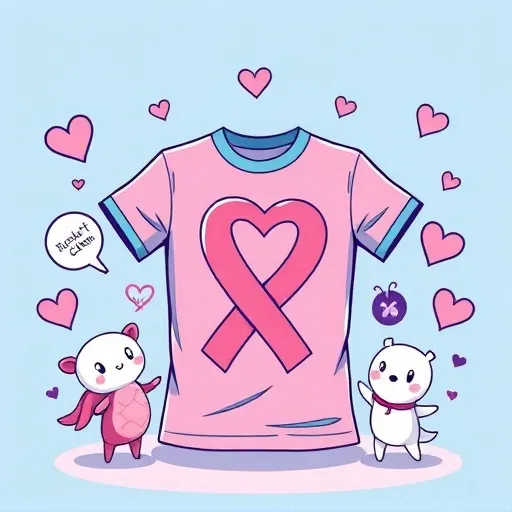
Wearable messaging s
Why Awareness Apparel Still Matters in 2026
You might be wondering whether a physical shirt even matters anymore, given how much awareness work now happens through social media campaigns and digital fundraising. The short answer is: absolutely. Research consistently shows that visual, wearable messaging sparks real-world conversations. A shirt is a walking billboard, but it's also a conversation starter — a low-pressure way for someone to ask, "Hey, what does your shirt mean?" And that question is often the doorway to a screening reminder, a resource share, or an offer of support. That's exactly why breast cancer awareness shirt ideas deserve real thought rather than a rushed order the week before an event.
What's changed in 2026 is the tone. Awareness apparel has shifted away from purely somber, uniform messaging toward designs that celebrate survivors, honor individual journeys, and speak to younger audiences in a more direct, empowering voice. Survivor-centered language, inclusive sizing, and eco-friendly materials are now baseline expectations rather than nice-to-haves. If you're planning awareness apparel this year, those three pillars — authenticity, inclusivity, and sustainability — should guide every decision. Good breast cancer awareness shirt ideas start with those values, not with a color swatch.
Message-First Breast Cancer Awareness Shirt Ideas: Wording, Voice, and Emotional Resonance
Before you think about colors or fonts, think about words. The messaging on an awareness shirt is the whole point, and getting it right requires a bit of linguistic care. From an NLP (natural language processing) perspective, the most shareable and memorable phrases tend to be short, emotionally resonant, and action-oriented. Long paragraphs on a shirt? They get ignored. Punchy, human phrases? They get photographed and posted — and that's what makes the strongest breast cancer awareness shirt ideas spread on their own.
Here are messaging angles that consistently resonate, and they're worth keeping in your back pocket as you brainstorm breast cancer awareness shirt ideas:
- Empowerment-focused: Phrases that emphasize strength, resilience, and solidarity rather than fear. Think along the lines of "Stronger Together" or "Warriors Wear Pink."
- Action-oriented: Gentle calls to action like "Check Yourself" or "Know Your Body" work well because they pair awareness with a concrete behavior.
- Survivor-centered: Language that centers people with lived experience — "Survivor Strong," "Her Story Matters," or customizable designs where survivors can add their own milestone year.
- Community-focused: "In This Together," "Team Pink," or team-name customization for group events and charity walks.
- Humorous and human: A light touch can work beautifully — humor breaks tension and makes shirts more wearable in everyday settings. Just keep it respectful and survivor-informed.
One important note on language: avoid phrasing that implies blame or inevitability. Wording like "fight like a girl" can be polarizing, and metaphors of "battle" don't resonate with everyone. The safest and most inclusive approach is to test your messaging with a small group — including survivors — before you print. A quick feedback round saves you from a design that misses the mark, and it's one of the simplest quality checks for any set of breast cancer awareness shirt ideas.
Design Concepts and Typography Styles for Wearable Breast Cancer Awareness Shirt Ideas
Here's the thing about awareness shirts: the best ones get worn again and again, long after the event ends. That means the design has to work as clothing, not just as a statement. Let's break down some concepts that balance meaning and wearability — these are the breast cancer awareness shirt ideas people actually reach for on a random Tuesday.
1. The Minimalist Ribbon Reinvented. The ribbon is iconic, but it doesn't have to be literal. Consider a subtle ribbon formed from negative space, a single-line illustration, or a geometric interpretation. A small chest logo paired with a clean back print is a classic combo that feels modern and understated — perfect for people who want to show support without a loud design.
2. Typography-Led Designs. Big, bold, well-chosen type is having a moment. A single powerful phrase in a strong typeface — set in pink, white, or a tonal palette — reads as confident and contemporary. Pair it with a small ribbon detail on the sleeve and you've got a shirt that works at the gym, the grocery store, or the office.
3. Customizable Survivor Templates. Personalization is huge in 2026. Designs that let individuals add a name, a year, or a short message create emotional connection and turn a generic tee into a keepsake. Think "In Honor Of ___" layouts, milestone-year graphics, or family-team templates for group orders. This approach also works brilliantly for fundraising — personalized shirts often command higher price points.
4. Floral and Botanical Motifs. Soft botanical illustrations paired with awareness messaging offer a gentler, more artistic alternative to the classic pink palette. These designs tend to appeal to broad audiences and photograph beautifully for social sharing. Consider muted pinks, sage greens, and cream tones for a sophisticated look.
5. Retro and Vintage-Inspired Graphics. Nostalgic, distressed-style graphics continue to perform well. A vintage-inspired badge or crest with awareness wording feels collectible and fun. This style is especially popular with younger audiences and works well for event merchandise.
6. The Statement Back Print. Simple front, party in the back. A small logo on the chest with a larger illustration or message across the back gives you versatility — subtle from the front, impactful from behind. Great for walk teams and group photos.
If you're comparing breast cancer awareness shirt ideas side by side, ask yourself one question for each concept: would someone wear this in public six months from now? If the answer is no, keep iterating.
Color Palettes, Fabric Choices, and Inclusive Sizing That Elevate Breast Cancer Awareness Shirt Ideas
Pink is the universal symbol, and it's not going anywhere — but 2026 palettes are more nuanced. Consider tonal pink (layered shades of blush, rose, and magenta for a modern monochrome look), pink paired with sand, cream, or charcoal for an elevated, wearable feel, or pink combined with teal or navy for a complementary contrast that makes designs pop. Metallic accents like rose-gold or copper foil details add a premium touch for limited-edition or fundraising pieces. A quick practical tip: always check how your chosen colors render on different fabric bases. What looks vibrant on a screen can look muddy in print, especially on darker garments. Request physical samples before committing to a full run.
Design gets the attention, but comfort earns the repeat wear. In 2026, awareness apparel buyers are more discerning than ever — they want shirts that feel good and last. Prioritize organic cotton for soft, breathable everyday tees; recycled blends that appeal to eco-conscious buyers; performance fabrics with moisture-wicking properties for charity walks, runs, and gym wear; and tri-blends for that soft, vintage feel customers love. And remember: inclusive sizing isn't optional anymore — it's expected. Offer a genuine size range from extended sizes through standard, and consider unisex, fitted, and relaxed silhouettes. Tagless labels, soft seams, and easy-care instructions all improve the wearing experience too. A shirt that fits well and feels comfortable is a shirt that gets worn — and that's the whole point.
Production Methods and Real-World Impact Behind Great Breast Cancer Awareness Shirt Ideas
Your production method affects both the look and the longevity of your design. Screen printing is best for bold, simple designs and larger runs — cost-effective at volume and durable. Direct-to-garment (DTG) shines for detailed, full-color designs and small batches, making it ideal for personalized survivor shirts. Embroidery adds a premium feel for logos and small chest designs, while heat transfer and vinyl work well for small runs and event-day customization. Whatever method you choose, work with a production partner who understands awareness merchandise and can advise on fabric-print compatibility — and always build in a proofing stage, because a digital mockup is not the same as a printed sample.
An awareness shirt is a tool, not a finish line. The most meaningful campaigns pair apparel with real action: linking to screening resources, partnering with local support organizations, or donating a portion of proceeds. In 2026, buyers are savvy — they can tell the difference between genuine commitment and a logo slapped on a tee. Be transparent about where funds go, and make that information easy to find. Clear, specific language about your purpose outperforms vague slogans, both in human conversation and in how your content is discovered by search engines. If you're promoting awareness apparel online, describe the mission, the materials, the sizing, and the impact in plain terms. Specificity is credibility — and it's what separates memorable breast cancer awareness shirt ideas from forgettable ones.
Before you order, run through a quick checklist: finalize your messaging and run it past survivors and community members, confirm your color palette renders correctly on your chosen fabric, order physical samples and wear-test them, verify inclusive sizing across all styles, confirm printing method suitability for your design complexity and order size, plan your donation or resource-sharing component, and prepare social-ready photos of the finished shirts to maximize reach. Great breast cancer awareness shirts do three things at once: they look good enough to wear every day, they say something meaningful in a clear and human voice, and they connect the wearer to a larger community of support. In 2026, the bar is higher — and that's a good thing. So whether you're a solo advocate, part of a workplace team, or organizing a community event, start with the message, design for real life, and make the impact measurable. A well-made shirt can start a hundred conversations — make yours count.